
The Juxtaposition of A Clockwork Orange


Few films in cinematic history are capable of conducting such a full attack on the senses as A Clockwork Orange. The combination of unique camera angles, color selection, controversial subject matter, and a swath of other variables bombarding the viewer.
Having viewed the film several times, last night was my first time experiencing the amplified impact on the big screen. For several hours after the conclusion of the film, I found myself disoriented, spun, morally fatigued, full of anxiety, and wondering what the hell had just happened. It appears I wasn’t alone. As the cinema emptied, there was a shared energy among some of those in attendance. At a surface level, it would be easy to dismiss this based on the visual content of the film. Once I had decompressed, recomposed myself, I realized that there was far more going on than several graphic scenes that hijack the impact of the film.
Visually, the film is a striking display of Kubrick’s mastery of cinematography and attention to even the smallest of details. A deliberate three-part color progression to pull and disorient the viewer. Flood lights integrated directly into the futuristic set to avoid bulky equipment and create an opportunity to take advantage of wide angle lenses and systematic framing.

The true brilliance of Kubrick’s work was the selection of the camera angles. Throughout the film, Kubrick forces the viewer to experience the story from different perspectives. The first act was deliberately arranged to provide the viewer with a feeling of power. The first person narration, direct camera gazes, and point of view shots through Alex’s eyes makes the power over his victim feel like the feelings of the viewer. This is a trap set up early in the film to weaken the viewers defenses for later in the film when the proximity is shifted from a position of shared power to that of helpless discomfort. Shot in three distinct structures, bright colors, high lighting, fluid zooms in the first act, cool, flat tones of the prison during act 2, then the desaturated grey tones and low key lighting of the third act to reflect the vulnerability of Alex.
The score of the film plays a significant role in the film. The selection of usually uplifting or soul filling music confuses the senses even further. Beethoven’s ninth symphony or the use of Singing in the rain for one of the most intense scenes of the film scrambles the viewer even further.
From the opening scene to the final frame, there is a complete assault on the senses, some visual, others subtle. The disorientation at the result of camera work and lighting effects matched with the subject matter leaves the viewer trying to deal with processing complex issues of ethics, the visual display of extreme violence on screen and conflicting feelings of power, vulnerability and subjection of intense imagery..
However, the film is void of any “good” or moral anchors for the viewer to attach and feel emotional safety. There is no shelter from the visual and emotional onslaught unfolding on the screen. There is no moment for the brain to “reset” and find a safe place to land. With an amoral character as the central focus the result is a lingering moral vertigo without any shelter to be found.
While the films of the 70s birthed the dark anti-hero movement in film, with great success, the difference is that this film is one without any redeemable qualities. Sure, the feeling of vulnerability strikes an impact, however, the central character has conducted terrible atrocities, and if physically capable, is eager to commit them again.
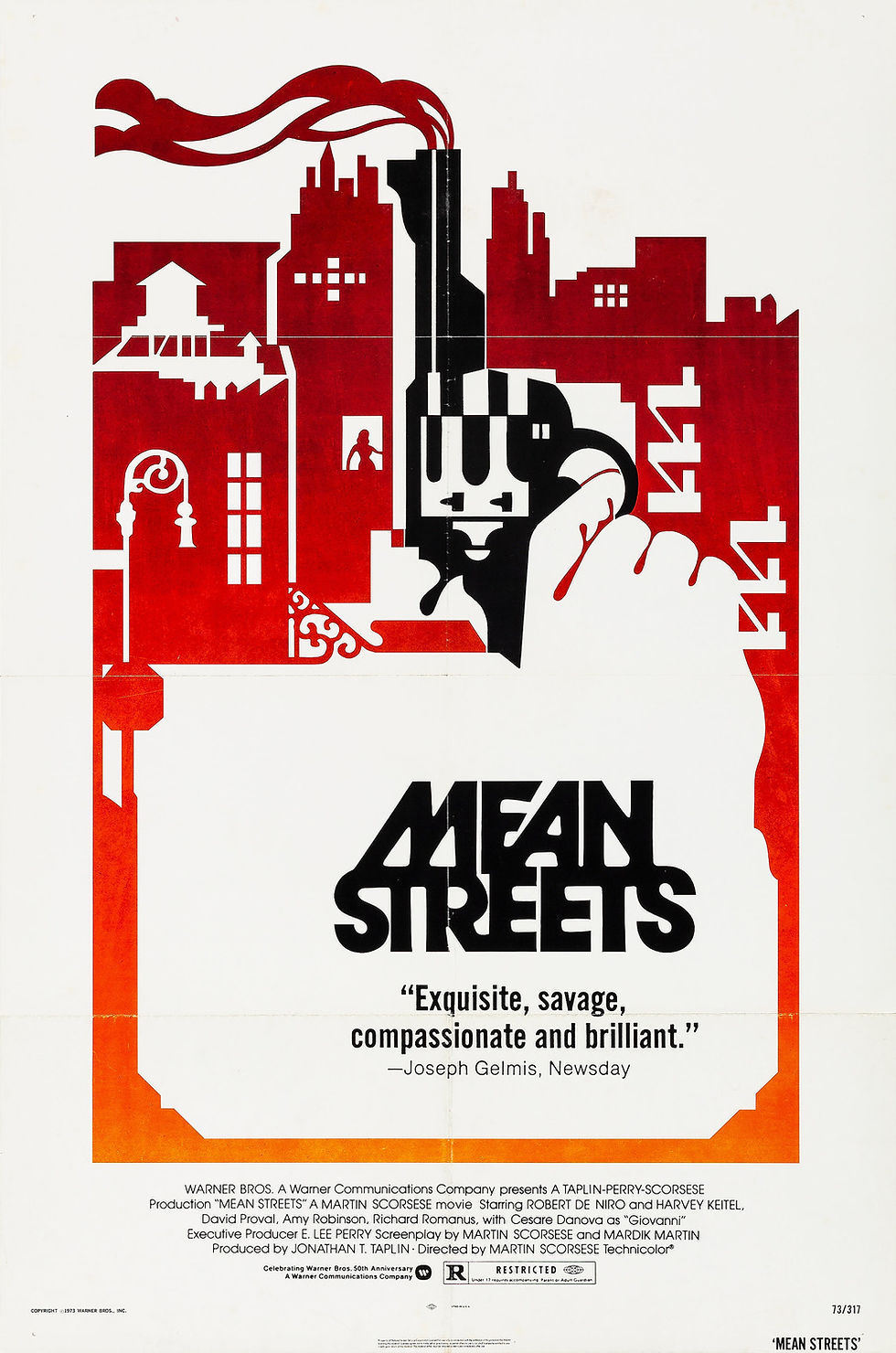
Death Wish (1974) was another film to show extreme graphic content on the screen. However, Charles Bronson’s Paul Kersey was a moral person, who chose to go outside of the law to create justice as he saw fit. This sets up the viewer to create a “yeah, would do the same if…?” scenario. In Taxis Driver (1975), Robert De Niro’s Travis Bickel had his redeemable moment by choosing to free a twelve year old instead of assassinating the politician. The French Connection, Gene Hackman’s Popeye Doyle was a cop who frequently broke the rules, and was subjective if he was trying to bust a heroin ring for the betterment of society, or it was the next thing for him to do in his job.
A Dog Day Afternoon (1975), Al Pacino’s Sonny had the viewer sympathizing with his situation and with the character in general and the bond created with the staff of the bank.
The common denominator is that these (any many other) characters is a redeemable moment or revelation that provides the viewer with a moral compass, reassuring them that it is “okay” to root for this person. A “save a cat in a tree” moment. Alex is completely void of such a moment throughout the entire film. There is not a single moment that Alex can claim as his redeemable moment. The complexity of this situation is that the characters involved in the film are nearly as morally corrupt as Alex.
A writer, assaulted earlier in the film, had the intention of exploiting the situation for political gain until realizing who his unexpected guest was. A politician looking to capitalize the treatment for political gain, and again, the treatment to turn Alex back and persuade voters through implied compassion and shifting blame. Even his previous co-assailant “Droogs” who betrayed him earlier in the film, return in the third act to assault Alex in his vulnerable state.
Alex himself removes any redeemable moment by blaming society, the doctors, the system, etc. for how he turned out. His only potential redemption comes in the form of removing free will from his actions. As the opportunities presented themselves he fully took advantage of situations by leveraging the politician to profit.
With no real character to root for, we are left only with a monster who has been rendered helpless and at the mercy of other monsters. We question, is he a victim or is this deserving? Moreso, if he is no longer a monster because he is incapable of doing evil deeds, or is a good man one that is capable but chooses not to be evil?
Very film films are made this way anymore (if ever) and truly is a testament to the genius of Stanley Kubrick and his ability to tell a story stylized in a way to completely pull an audience into a film. To create an opportunity for true discussion of a film's content, and to fully immerse the viewer to not only watch a movie, but to experience it. Regardless of controversies surrounding the film over the past half century, from a technical standpoint, the film offers a true masterclass of filmmaking, story telling, and visual storytelling.
While those with sensitive systems will potentially feel the impact more than others, A Clockwork Orange is a film that takes a viewer on an uncomfortable journey that leaves the viewer to their own devices in finding their way back.
Comments